

I did a lot of revising between my first and last draft. My first draft was simply rushed and did not have a developed story and takeaway.
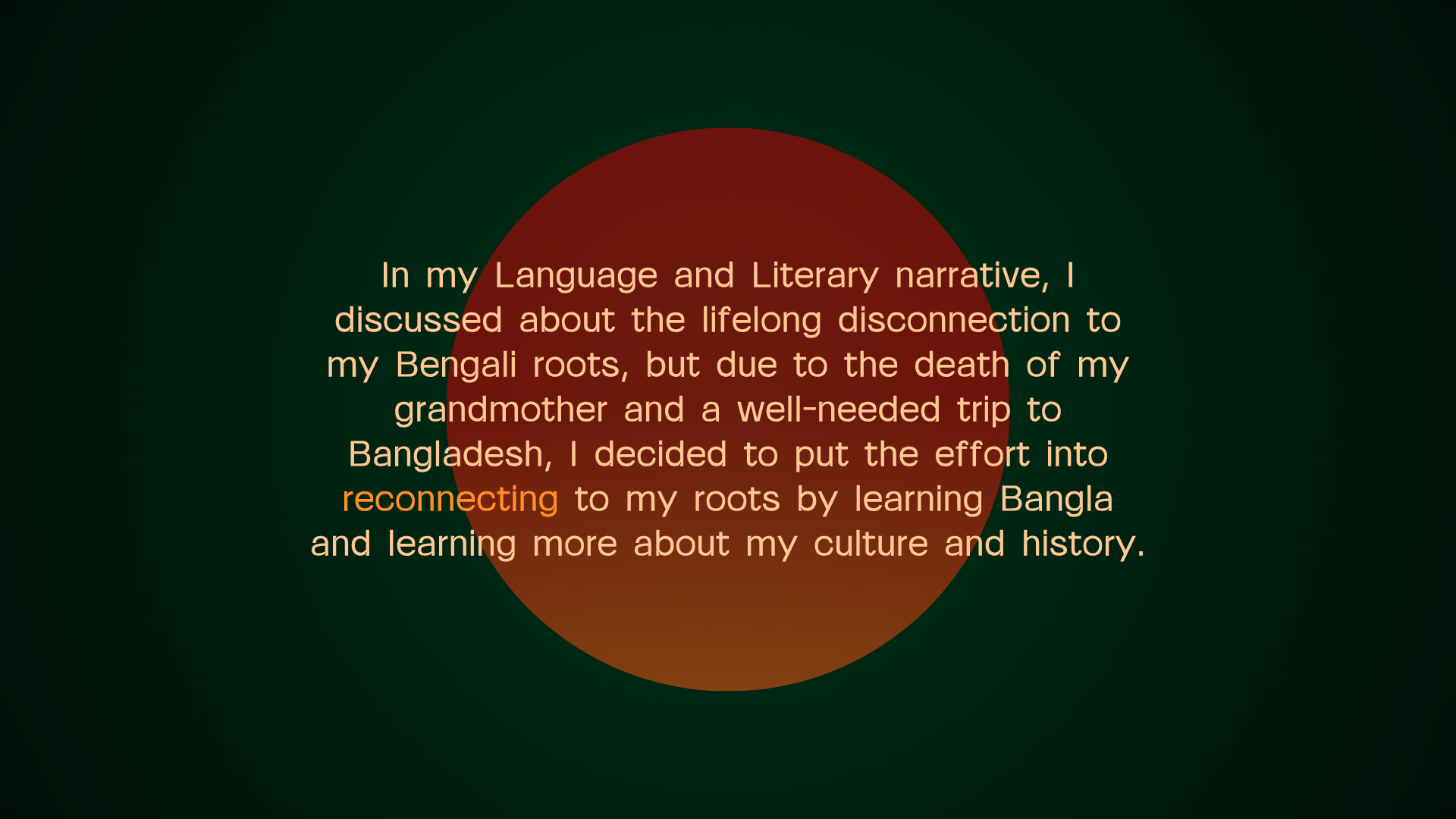
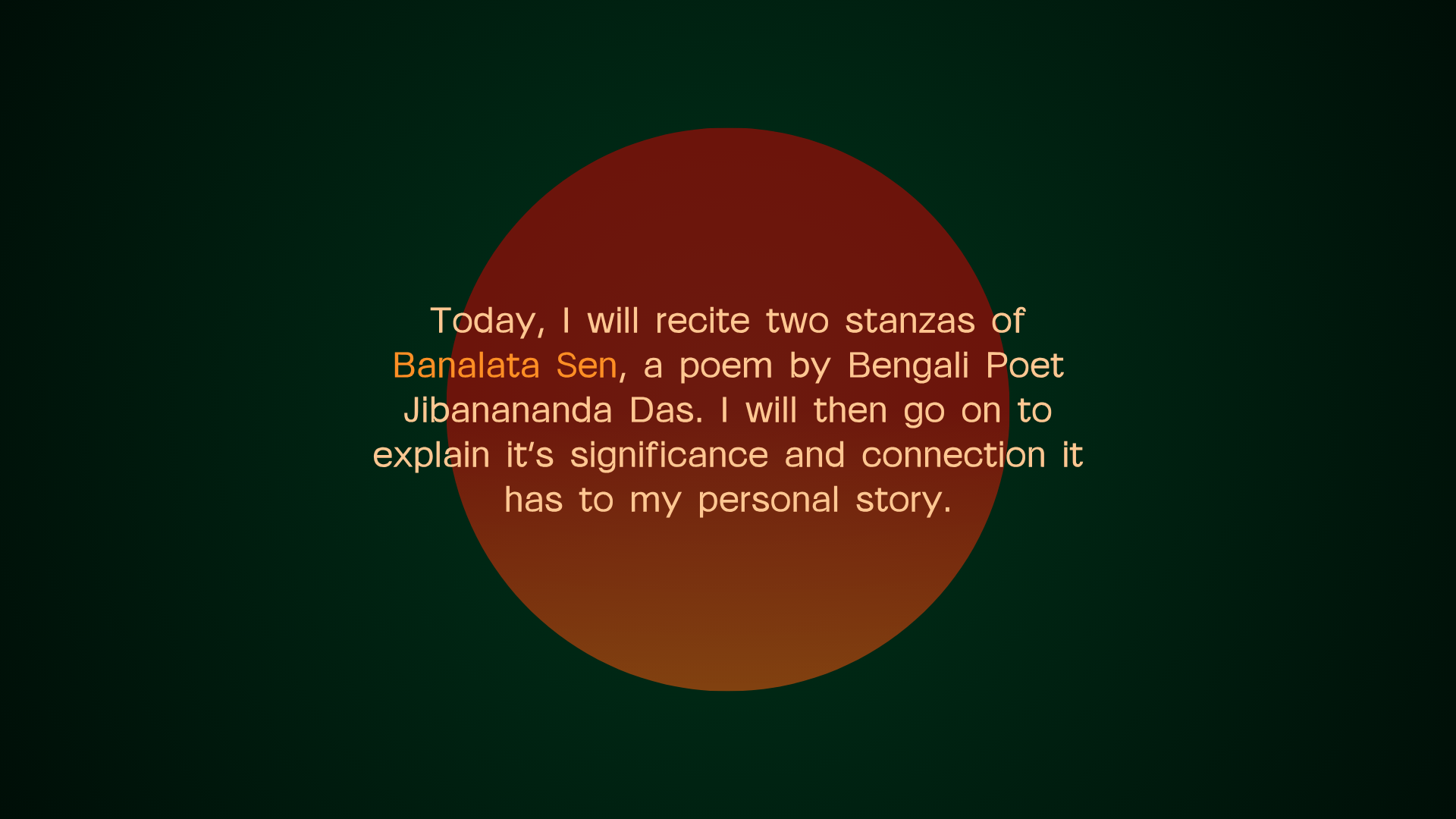
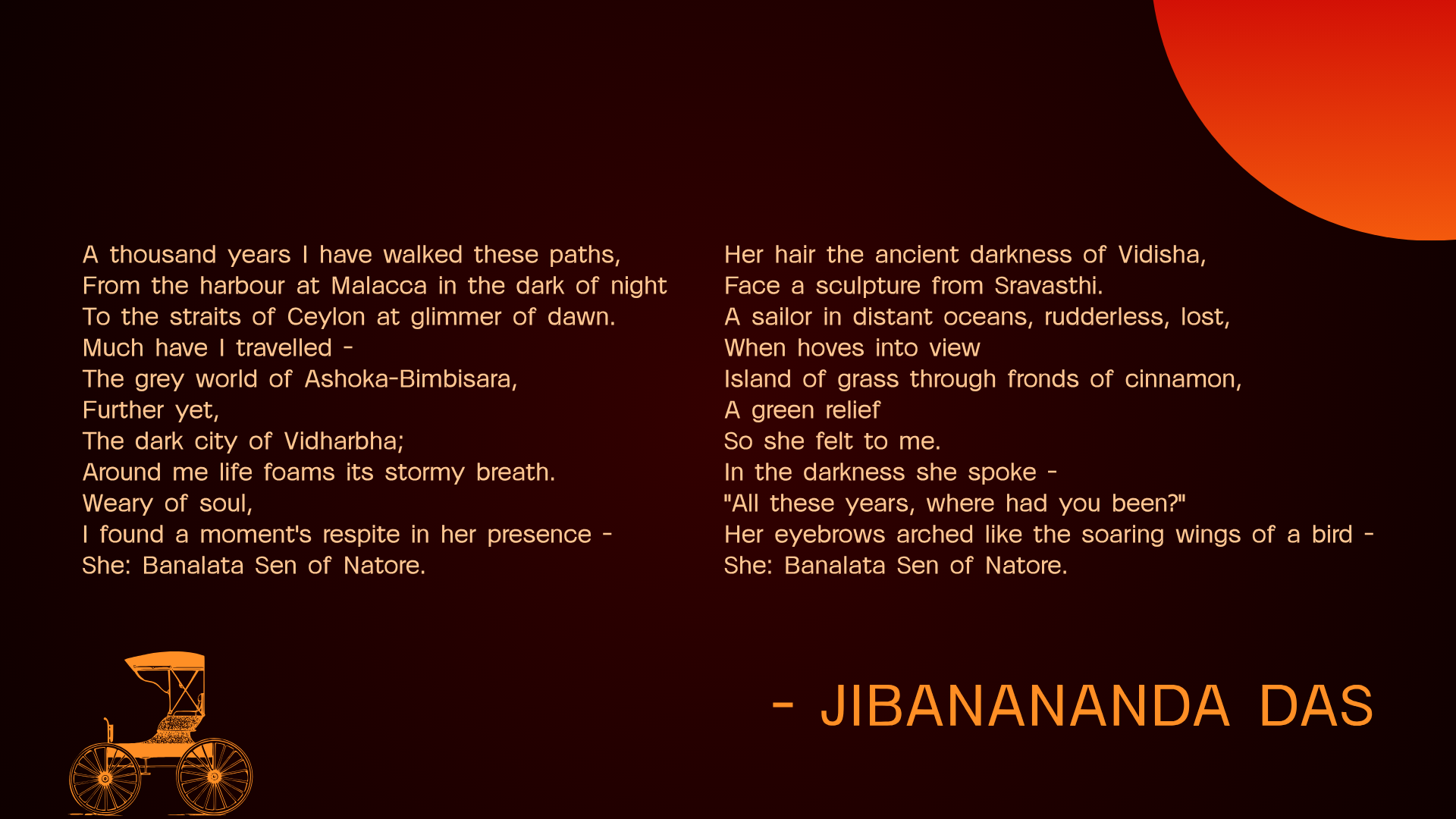
My Translation of my LLN: Reconnections
My first LLN Draft:
I was never really the best at Bangla. Could I understand when people spoke it? For sure. Would I be able to speak it by myself? That was a different story. Growing up, every time I was on FaceTime and Skype calls with my relatives, every visit to Bangladesh, and every interaction I had with a non-English-speaking Bengali person was filled with this awkward, broken Bangla. I would sometimes get snarky comments from the shop-owners of Jackson Heights (one of the biggest Bengali neighborhoods in NYC), asking me “tumi Bangla bolo na?” (Do you not speak Bangla?), so I would either avoid conversations altogether or have my parents translate for me. I felt like a shame to my own people.
Come forward to the year of 2024, and this problem was put directly on the forefront. To put it simply, my grandmother was incredibly sick and practically on the cusp of death. During the last year of her life, I found myself pulling away from opportunities to talk to her on phone. Part of it was me trying to run away from the reality that she was dying, but another part was the shame. The shame that I wasn’t able to speak the same language as her, and the shame that I wasn’t able to string my feelings for her in pure, cohesive sentences without the help of my father. I would constantly tell myself that she’ll get better soon and that I would be able to talk to her later, until it was too late.
June 18, 2024. I just took my US History Regents, and was just chilling at home and playing games on my computer as usual. Suddenly, I get a stark and loud call from my mother from the living room. My mom, dad, and brother were sitting down in the living room, all with bleak expressions on their faces. They got the news from my uncle that my grandmother has passed away. It suddenly hit me. I wouldn’t be able to see her anymore. Every future trip to Bangladesh would be filled with this empty void without her. And most importantly, I wouldn’t be able to speak to her anymore. Even with the broken Bangla I had, there were no more opportunities.
What struck me even more to my core is that even with the dementia she had developed during the last stages of her life, she never forgot me. As her first-ever grandchild, I was a core memory to her. When my dad visited Bangladesh during April to meet with my grandmother (his mom), she would always ask him where I was. My last ever FaceTime with her, she told me that she begged God to take her only after I was married. After that, I never got to speak to her again. She never got to see her first grandchild get married.
After this, we knew a trip to Bangladesh was well overdue. Since we didn’t have the funds to go this year, we decided to start saving up for a trip next year. But I wouldn’t let this opportunity slide. I decided that I would no longer shy away from conversations and start putting in the effort into learning Bangla. I refused to let any opportunity to talk to my family go away anymore.
About every single day, I would pretend to talk to myself in the mirror, in Bangla. I would try to make up realistic conversations I would probably have with family and friends. I would watch all these videos from Bangladesh documenting daily life to take more Bangla phrases and to know my area more. And I would try to speak more Bangla with my family, instead of simply them speaking in Bangla and me answering in English. Every single day, I would find new ways to be more connected to the culture and language that was 7,800 miles away from home.
Come July of 2025, and we had just landed in Bangladesh. There are so many things I could say about this, but to keep it short: I have never felt so loved. I’ve never had more genuine interactions, food with thought put into it, smiles, hugs, or anything in my life. Even with my broken but still improved Bangla, all my family and family friends would be understanding. I would finally be able to hold genuine and pure conversations in Bangla, and I was never as immersed in a culture from 7,800 miles away as I was now.
My last LLN Draft:
Tumi Bangla kotha boltha paro na?
“Tumi Bangla kotha boltha paro na?” (Do you not speak Bangla?) That question haunted me growing up. I was never really the best at Bangla. Could I understand when people spoke it? For sure. Could I speak it by myself? That was a different story. Every time I joined FaceTime and Skype calls with my relatives, every visit to Bangladesh, and every interaction I had with a non-English-speaking Bengali person was filled with this awkward, broken Bangla. Shop-owners in Jackson Heights (one of the biggest Bengali neighborhoods in NYC) would throw that question at me, and I would either avoid conversations altogether or have my parents translate for me. I felt like a shame to my own people.
Fast forward to the year 2024, and this problem was put directly at the forefront. To put it simply, my grandmother grew incredibly sick and stood on the cusp of death. During the last year of her life, I found myself pulling away from opportunities to talk to her on the phone. Part of it came from running away from the reality of her illness, and the shame that I wasn’t able to speak the same language as her. I wasn’t able to string my feelings for her into pure, cohesive sentences without the help of my father. I kept telling myself that she’ll get better soon and that I would talk to her later, until it was too late.
The news that she had passed away in June of that year hit me hard. No longer could I feel her warm touch and hug her. No longer could I able to smell the delicious foods she cooked from the kitchen on any future trip to Bangladesh. And most importantly, no longer would I be able to speak to her anymore. I couldn’t hear her motherly voice, and every opportunity I had to speak with her was gone.
After this, we knew a trip to Bangladesh was well overdue. Since we didn’t have the funds to go this year, we decided to start saving up for a trip next year. But I wouldn’t let this opportunity slide. I decided that I would no longer shy away from conversations and start putting the effort into learning Bangla. I refused to let any opportunity to talk to my family go away anymore.
Almost every single day, I would pretend to talk to myself in the mirror in Bangla. At first, it felt awkward; if I viewed myself from the third person, I would see someone speaking gibberish and talking crazy to himself, but that was the risk I had to take. Every mistake I made could only lead me forward. I would try to make up realistic conversations I could have with family and friends. I would watch these videos from Bangladesh documenting daily life, to learn more Bangla phrases, and to know my area more. And I would try to speak more Bangla with my family, instead of them speaking in Bangla and me answering in English. Every single day, I would find new ways to connect to the culture and language that was 7,800 miles away from home.
Come July of 2025. I had just stepped out of the airport, with the thundering (almost comforting) rain hitting my face. The air felt thick, with a unique scent, but nostalgic. All I could hear was the rickshaw bells going off and street vendors calling for people to come visit. It felt both foreign and familiar at the same time, something I haven’t felt since I was last here eight years ago. I was home.
Finally being able to talk to my grandfather and relatives without the barrier of a phone screen and translator felt incredible. Every sentence that I had managed to string together in Bangla now had more meaning and love put into it, and even if I still did mess up quite a lot with my Americanized Bangla accent, it felt empowering knowing that I still tried.
This trip also made me realize that language is not just the ability to speak. Sure, I was better at Bangla, but it didn’t mean that my family didn’t love me simply for not being able to speak well. They never cared if I had made grammar mistakes or how “improper” I sounded; They cared that I was finally beside them, sharing the experiences I never got to have with them. Language is also the ability to show effort and care.
Now, when someone asks the dreaded question, “Tumi Bangla kotha boltha paro na?”, I don’t have to tell them in shame that I don’t and have my family translate for me, I can tell them “Ami cesta korte pari”, I can try. Because language isn’t about perfection, it’s about trying.

